There’s a quiet corner of the internet where fantasy and reality blur - a place called Gameland. Not the video game world you think of, but a hidden ecosystem of adult roleplay, NSFW streams, and fetish-driven communities where people pay to be seen, desired, or degraded. The term ‘sluts in Gameland’ isn’t just slang. It’s a label worn by real people, often young, often desperate, sometimes trapped. And behind every profile, every live stream, every DM, there’s a human cost no algorithm can quantify.
Some of these performers turn to side gigs to make ends meet - like offering body massage dubai services after hours, blending the line between entertainment and intimacy. It’s not unusual for someone streaming in Manila at 3 a.m. to be booked for a private session in Dubai by sunrise. The global nature of this trade means borders don’t matter - only cash does.
Why does this exist? Because demand is real. People are lonely. They crave control, connection, or just the illusion of being wanted. Gameland thrives on that hunger. But what starts as a harmless fantasy can turn into dependency - for both the viewer and the performer. One woman, 22, from Ukraine, told a journalist last year she made $8,000 a month streaming, but hadn’t left her apartment in seven months. Her only human contact was through cameras and chatbots.
The Anatomy of a Gameland Persona
Every performer in Gameland builds a character. Not just a costume or a nickname - a full identity. ‘Luna’ might be a sweet college girl who loves puppies. ‘Vixen’ might be a dominatrix with a PhD in psychology. The persona is the product. The real person? Often invisible.
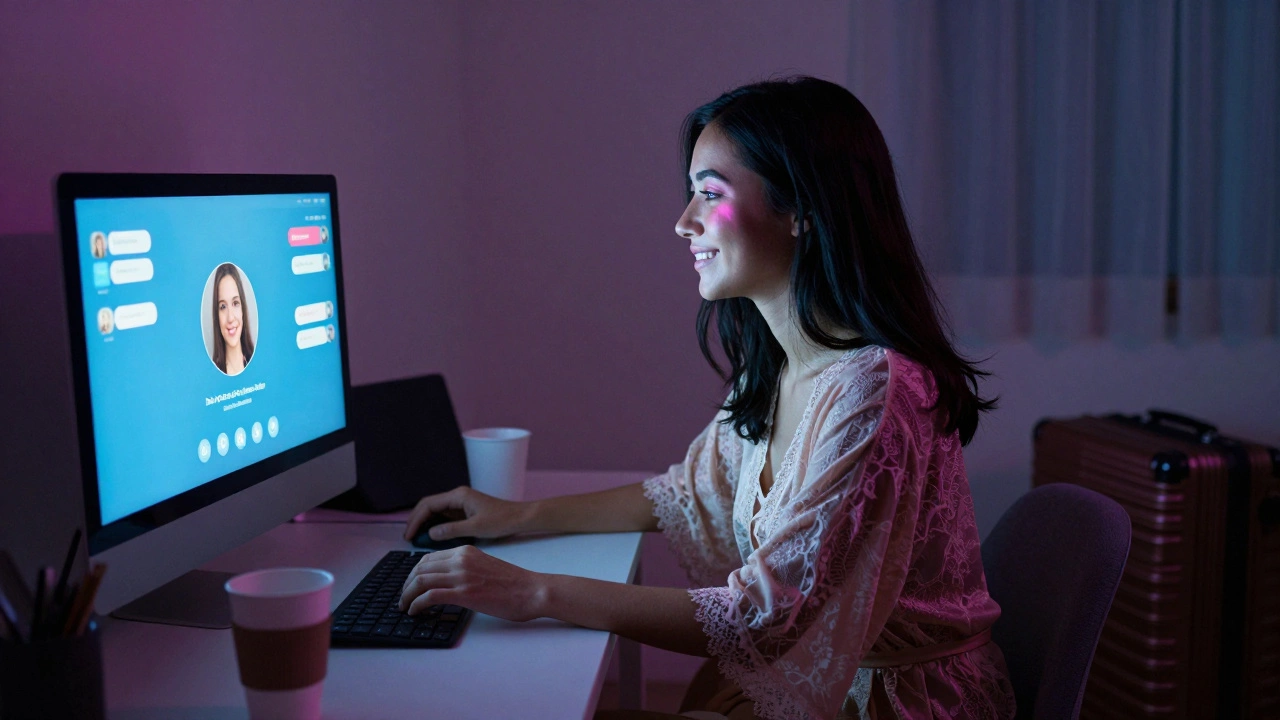
These personas are curated with surgical precision. Lighting, audio, background music, even the way they say ‘thank you’ - it’s all scripted. Algorithms reward consistency. The more predictable the fantasy, the more views. So performers repeat the same lines, the same poses, the same triggers, day after day. Over time, many lose touch with who they were before the camera turned on.
It’s not just about sex. It’s about power dynamics. About being told you’re beautiful when no one else will say it. About being paid to be seen. For some, it’s the only way they’ve ever felt valuable.
The Financial Trap
Money flows fast in Gameland. A top performer can earn $50,000 a month. But the costs are hidden. Subscription platforms take 50%. Taxes? Most don’t file. Mental health care? Rarely covered. Equipment? They buy it themselves - ring lights, microphones, backup laptops.
Then there’s the unpredictability. One DM from a stalker. One leaked video. One platform banning them for ‘inappropriate content’ - even if they did nothing illegal. No warning. No appeal. Just gone. No severance. No unemployment. No safety net.
Some try to pivot. They start OnlyFans. Then TikTok. Then private Telegram channels. A few even try to go mainstream - appearing on podcasts about ‘digital empowerment.’ But the stigma sticks. Employers Google their names. Family finds out. Relationships crumble.
When Fantasy Becomes Reality
There’s a growing trend: viewers who want more than just a stream. They want touch. Real skin. Real presence. That’s where the line blurs into something darker. Some performers offer ‘meetups’ - private dinners, hotel stays, even intimate services. One woman in Bangkok told investigators she was paid $2,000 for a three-hour session that included a lingam massage. She didn’t call it sex work. She called it ‘performance extension.’
These encounters rarely show up on platforms. They happen in back alleys, in Airbnb rentals, in hotel rooms booked under fake names. No contracts. No verification. No legal protection. And when things go wrong - which they often do - there’s no one to call.
Police in Dubai have started tracking cases where performers from Gameland are lured under false pretenses. One man in International City was arrested last month for posing as a fan to gain access to a woman’s apartment. He had been watching her stream for six months. She didn’t know his face until he walked in.
The Global Underbelly
This isn’t just a Western problem. It’s global. In India, women from rural villages are recruited with promises of ‘online modeling jobs.’ In Brazil, teenagers are groomed through Discord servers. In the Philippines, entire families are pulled into the business - siblings, cousins, even parents managing accounts.
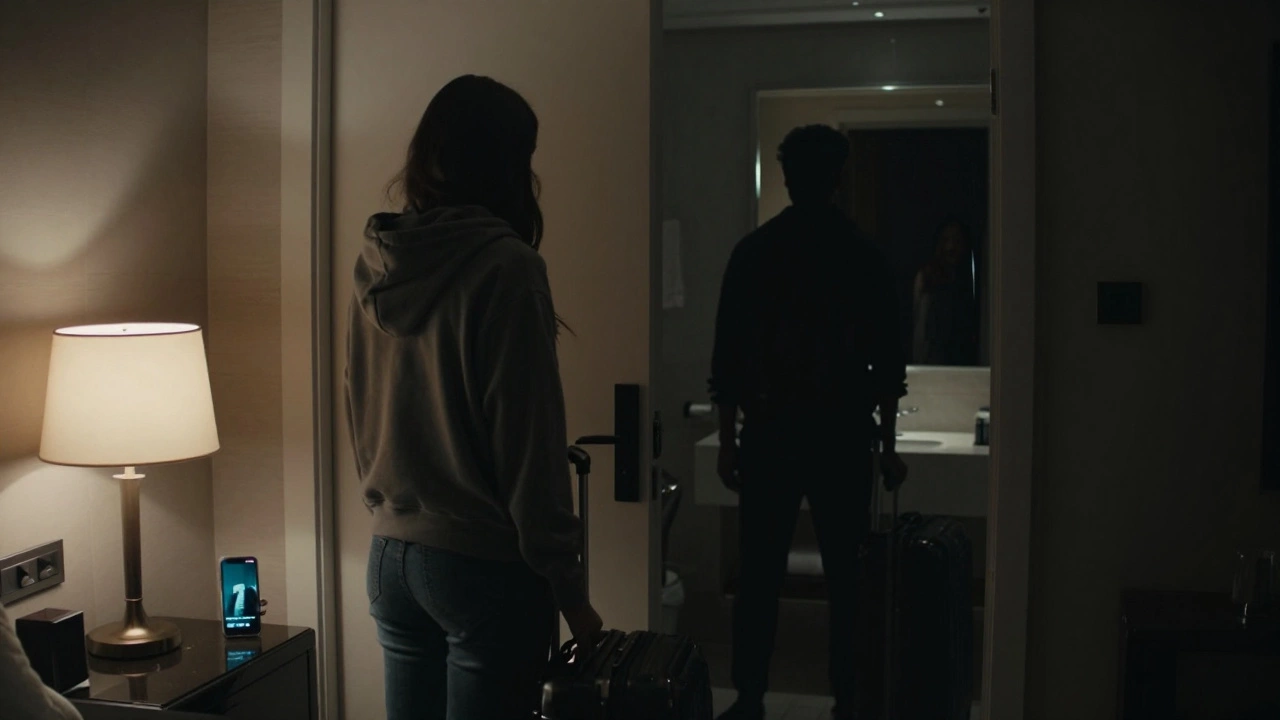
And then there’s the logistics. A performer in Manila might schedule a private session in Dubai the next day. She flies economy. Arrives with a suitcase. Checks into a hotel under a fake name. The client pays in crypto. The session lasts two hours. She leaves before sunrise. No one knows she was there. Except the hotel staff. And the security camera. And the local police, who are starting to notice the pattern.
That’s why massage international city has become a coded phrase in some forums. It doesn’t mean a spa. It means a rendezvous. A meeting point. A place where fantasy can be physically fulfilled - and where someone might vanish without a trace.
Who’s Really in Control?
Platforms claim they’re just tech companies. They don’t create content. They don’t control users. But algorithms decide who gets seen. Who gets paid. Who gets banned. And they’re designed to maximize engagement - not safety.
There’s no central registry. No age verification that works. No way to track who’s really behind a profile. A 19-year-old can buy a fake ID. A 45-year-old man can create a dozen accounts. And no one checks.
Meanwhile, the performers are left to navigate it alone. With no union. No healthcare. No legal recourse. Just a PayPal balance and a growing sense of dread.

The Human Toll
Studies from the University of Amsterdam and the London School of Economics show that performers in adult digital spaces have depression rates nearly three times higher than the general population. PTSD symptoms are common. Substance abuse is widespread. Many report dissociation - the feeling of watching themselves from outside their own body.
And yet, they keep going. Because the money is real. Because the attention feels real. Because sometimes, it’s the only thing keeping them alive.
One former performer, now in rehab in Thailand, told me: ‘I thought I was in control. But the camera was always watching. Even when I turned it off.’
What Can Be Done?
There are no easy answers. Shutting down these platforms won’t fix the problem - it’ll just drive it deeper. People will always seek connection, even in twisted forms.
But we can start by recognizing the humanity behind the screen. Not judging. Not shaming. But asking: How did this person get here? What did they lose? Who failed them?
Real change means better mental health support. Legal protections for digital workers. Age verification that actually works. And platforms that prioritize safety over clicks.
Until then, ‘sluts in Gameland’ won’t disappear. They’ll just keep scrolling. Keep streaming. Keep waiting for someone to see them - not as a fantasy - but as a person.